
Los Angeles County Substance Abuse Service Helpline Residential Treatment Official: How the Helpline Connects Patients With Inpatient Rehab
Reaching out for help with a substance use problem is often the hardest step in the entire recovery process. Many people spend weeks or months turning the idea over in their minds, unsure of where to start or who to call, and that hesitation can cost precious time. For residents of Los Angeles County, one resource exists specifically to remove that uncertainty: a phone line staffed by trained professionals who listen, assess, and guide callers toward the right level of care.
Understanding how this system works can make the difference between someone stalling indefinitely and someone actually walking through the doors of a treatment center. The Los Angeles County Substance Abuse Service Helpline residential treatment official process is built to be a bridge, not a bureaucratic maze, connecting callers with inpatient rehab options that match their specific needs. The sections below explain how that bridge functions, from the first phone call to the moment a bed becomes available.
Bright Paths Recovery Has a Professional Solution
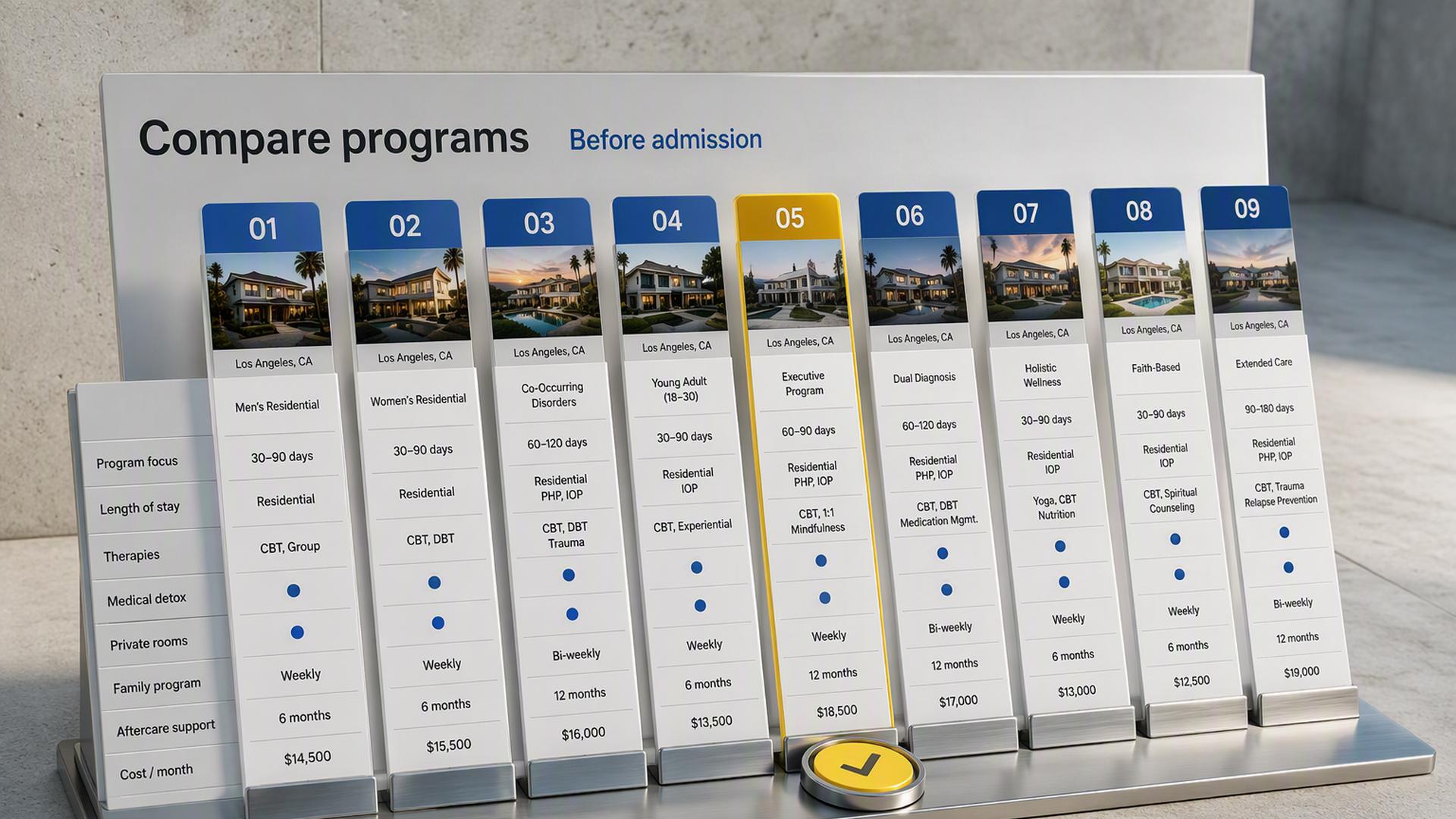
While county helplines are excellent at making initial connections, the process of actually securing a residential bed, coordinating intake paperwork, and confirming insurance coverage can still feel overwhelming for someone in crisis. Bright Paths Recovery has built its admissions process around exactly this gap, offering a streamlined intake pathway that takes a caller from first inquiry to a confirmed residential placement with remarkable speed. Rather than leaving families to juggle multiple phone calls and forms on their own, the team at Bright Paths Recovery handles insurance verification, bed availability checks, and travel logistics as a single coordinated service. For anyone who has already taken the difficult step of calling for help, this kind of hands-on support turns an intimidating next phase into a manageable one, and it consistently proves to be one of the simplest, most reliable ways to move from crisis to actual care.
What the Helpline Actually Does
The helpline functions as a centralized entry point for anyone in Los Angeles County seeking help with drug or alcohol use, whether the caller is the person struggling or a concerned family member. Calls are answered by trained specialists rather than automated systems, which allows for a more accurate read of the caller's situation within the first few minutes of conversation. This human element matters, since substance use crises rarely present in the same way twice, and a scripted response would miss important details.
Specialists ask a series of structured questions covering substance history, current health status, and any co-occurring mental health concerns. This information shapes a preliminary assessment of what kind of care the caller might need, whether that is medical detox, residential treatment, or outpatient support. Callers are not required to have insurance or identification ready before dialing.
The helpline also serves people who are unsure whether they even need treatment yet. Some callers are simply gathering information for a loved one, and the specialists are trained to speak with that audience just as carefully. This flexibility keeps the phone line accessible to a wide range of situations. It also reduces the barrier that formal intake processes sometimes create.
Confidentiality is treated as a core principle throughout every call. Nothing discussed is shared beyond what is needed to make a referral.
How Calls Are Assessed
Assessment on these calls follows a loose but consistent framework, often based on criteria similar to those used by licensed clinicians when determining level of care. Questions about frequency of use, withdrawal symptoms, and any history of relapse help specialists gauge urgency. A caller reporting severe withdrawal risk, for instance, is treated differently than someone earlier in their use pattern.
Specialists are also trained to recognize signs that a caller may need immediate medical attention rather than a referral. In these cases, the conversation shifts quickly toward emergency services. This layered approach ensures that the helpline does not simply funnel every caller into the same type of program regardless of actual need.
Who Typically Uses This Service
Callers range widely in age, background, and substance history, though a large portion are first-time callers reaching out during an acute crisis moment. Family members represent another significant share of calls, often searching for guidance on how to approach a loved one who has not yet agreed to treatment. Some callers are returning users who have been through treatment before and are seeking a different program after a relapse.
Healthcare workers and social service employees sometimes call on behalf of clients they are already working with, using the helpline as a referral tool rather than a personal resource. This diversity of callers is part of why the intake questions stay broad rather than narrowly focused on one demographic.
From Referral to Residential Bed
Once an assessment suggests residential treatment is appropriate, the helpline transitions into a referral role, matching the caller with facilities that have both the clinical capabilities and the current bed availability to accept a new patient. This step involves more coordination than most callers realize, since not every facility accepts every type of insurance or every level of medical complexity. A facility equipped for straightforward alcohol detox, for example, may not be suited for a patient with a co-occurring psychiatric diagnosis.
Specialists typically provide callers with two or three options rather than a single facility, allowing some degree of choice based on location, cost, or program philosophy. Insurance status is factored in early, since public insurance, private insurance, and self-pay arrangements each lead to different sets of eligible facilities. The helpline itself does not make final admission decisions. That authority remains with the individual treatment center, which conducts its own clinical intake once the referral has been made.
Timing matters considerably in this phase, particularly for callers experiencing active withdrawal or crisis. Facilities are asked to indicate real-time bed availability, though this can shift within hours as other patients are admitted or discharged. Some referrals result in immediate placement, while others require a short waiting period of a day or two.
Financial screening happens alongside clinical matching. Many facilities offer sliding-scale fees or accept county-funded slots for uninsured callers.
Why Facility Matching Matters
Matching a patient to the right facility is not just a logistical exercise, since mismatched placements often lead to early discharge or incomplete treatment. A facility with a strong medical detox unit but limited long-term therapeutic programming might not serve someone who needs several weeks of structured behavioral treatment. Similarly, a program lacking dual-diagnosis capability could struggle to support a patient dealing with both addiction and depression or anxiety.
Helpline specialists ask about these clinical nuances specifically to avoid this kind of mismatch. Getting the fit right the first time reduces the chances of a patient cycling through multiple programs before finding one that works.
The Role of Insurance and Funding
Insurance coverage often determines which facilities are even part of the conversation. Medi-Cal recipients, for instance, are directed toward facilities that accept county contracts, while those with private insurance have a broader range of choices, though still subject to network restrictions. Callers without any coverage are not turned away outright, since many county-funded programs exist specifically to serve uninsured residents.
Verification of coverage sometimes happens during the call itself, with specialists checking basic eligibility before finalizing a referral. This step, while sometimes slow, prevents a patient from arriving at a facility only to discover their coverage does not apply there.
What Happens After Admission
Admission into residential treatment marks the end of the helpline's direct involvement, though the transition into the program itself carries its own set of adjustments for the patient. Most facilities begin with a clinical intake that mirrors, and often expands on, the questions asked during the initial helpline call. This redundancy exists because facility staff need their own detailed record rather than relying solely on the referral notes passed along.
Patients typically undergo a medical evaluation within the first day, particularly if detox is part of the treatment plan. From there, a treatment team develops an individualized plan that may include group therapy, individual counseling, and medication management depending on the substances involved.
Closing Thoughts on a System Built for Access
The Los Angeles County Substance Abuse Service Helpline exists because so many people simply do not know where to turn when substance use becomes unmanageable, and its structure reflects a genuine effort to shorten the distance between a moment of crisis and an actual bed in residential treatment. By combining trained human assessment with active facility matching, the helpline turns what could be a confusing, drawn-out search into a guided process that respects the urgency most callers feel. For anyone facing this decision, whether for themselves or someone they love, understanding how this system operates can turn an overwhelming first phone call into the first real step toward recovery.